Interfaces that left the screen for the real world.
Low-tech solutions to problems software would overcomplicate.
A ramen menu that doesn't need you to speak the language
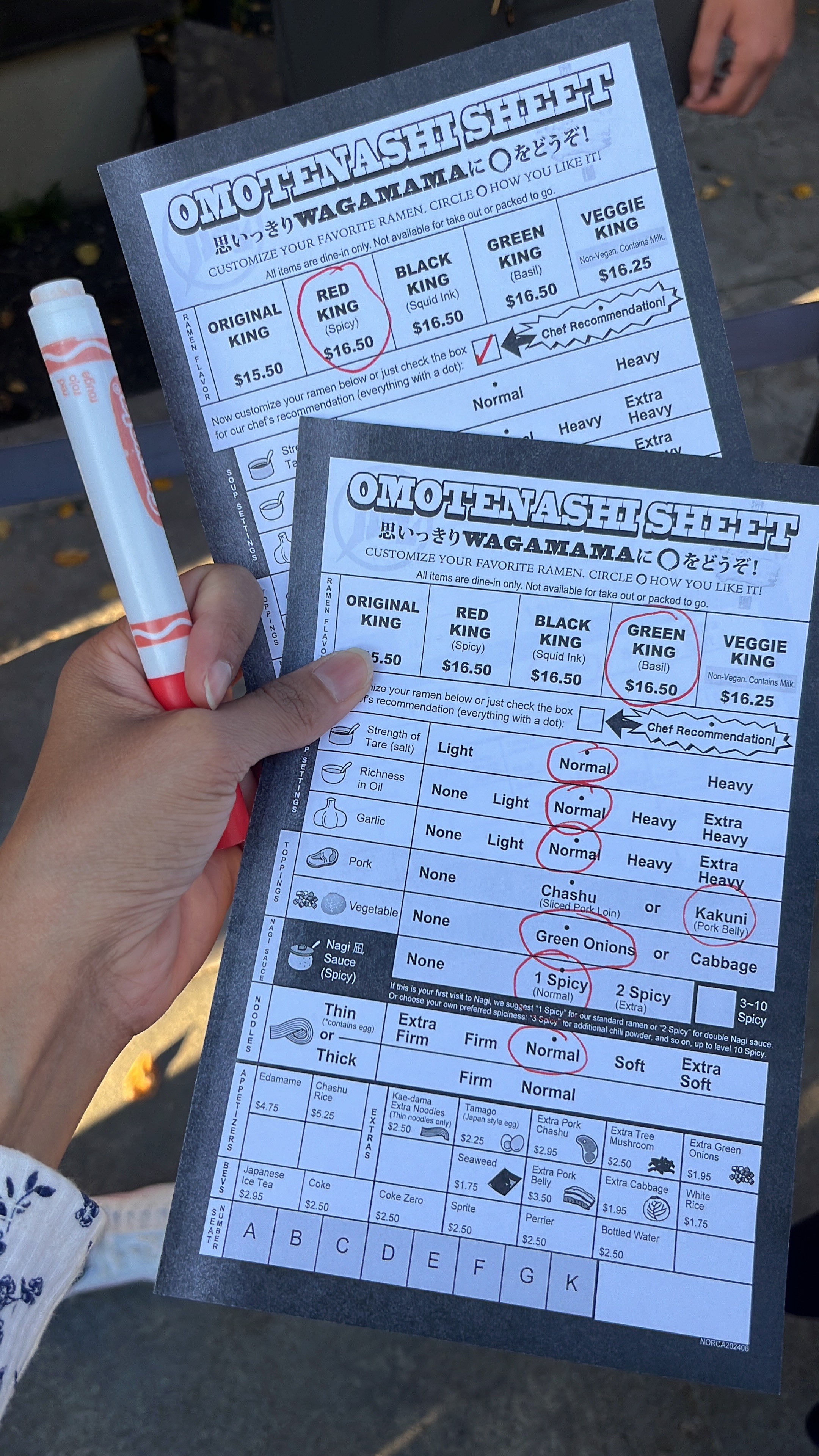
Ramen Nagi in Palo Alto always has a queue. You order on a paper sheet, circling your way down a grid: broth, salt, oil, garlic, toppings, spice, noodle texture. The food is the draw. But the part that stayed with me was the sheet itself.
Every ingredient carries a small drawing, so you don't have to read to choose. Anything with a traditional name shows its English alongside it. Kakuni, in brackets, pork belly. Tamago, Japan-style egg. And down each row sits a single dot marking the chef's recommendation. You can tick one box and take the whole recommended bowl, or follow the dots yourself while still seeing exactly what each one is. You get to trust the chef and still know what's in your bowl, which matters if there's an ingredient you can't eat.
One sheet handled language, trust, and dietary control at once, on paper, during the lunch rush.
A numbered bracelet at the bottom of the sea
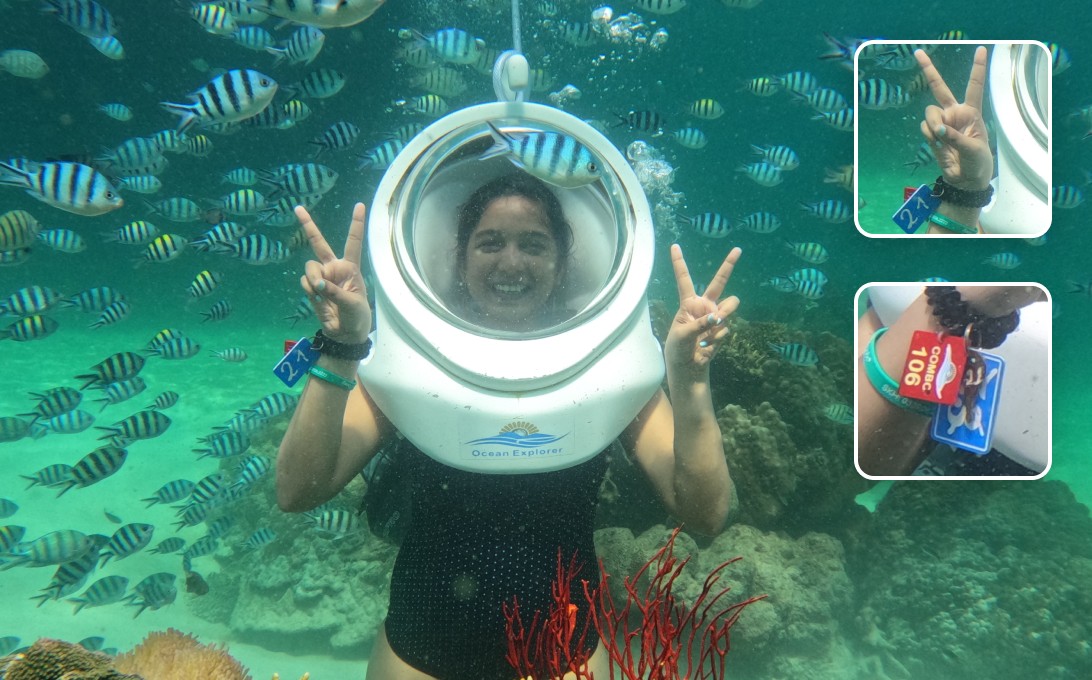
Off the coast of Phú Quốc, you can walk the seabed in a helmet that keeps your head dry while fish circle your face. It's the kind of thing you do once and want photos of. But the part that stayed with me was how they got the right photos to the right person.
Before the dive you're handed a bracelet with a number on it. Mine was 21. A diver photographs you underwater, the number is your reference, and by the time you've surfaced and dried off, your photos and video are waiting. You hand the bracelet back as you collect them. No app, no email, no sign-in, none of which would survive a group of tourists on different phone networks with no signal. Just a number that travels with your body and matches you to your footage.
One object did identity, matching, and handoff at once.
Designing a meal in wartime Vietnam: lessons in constraint
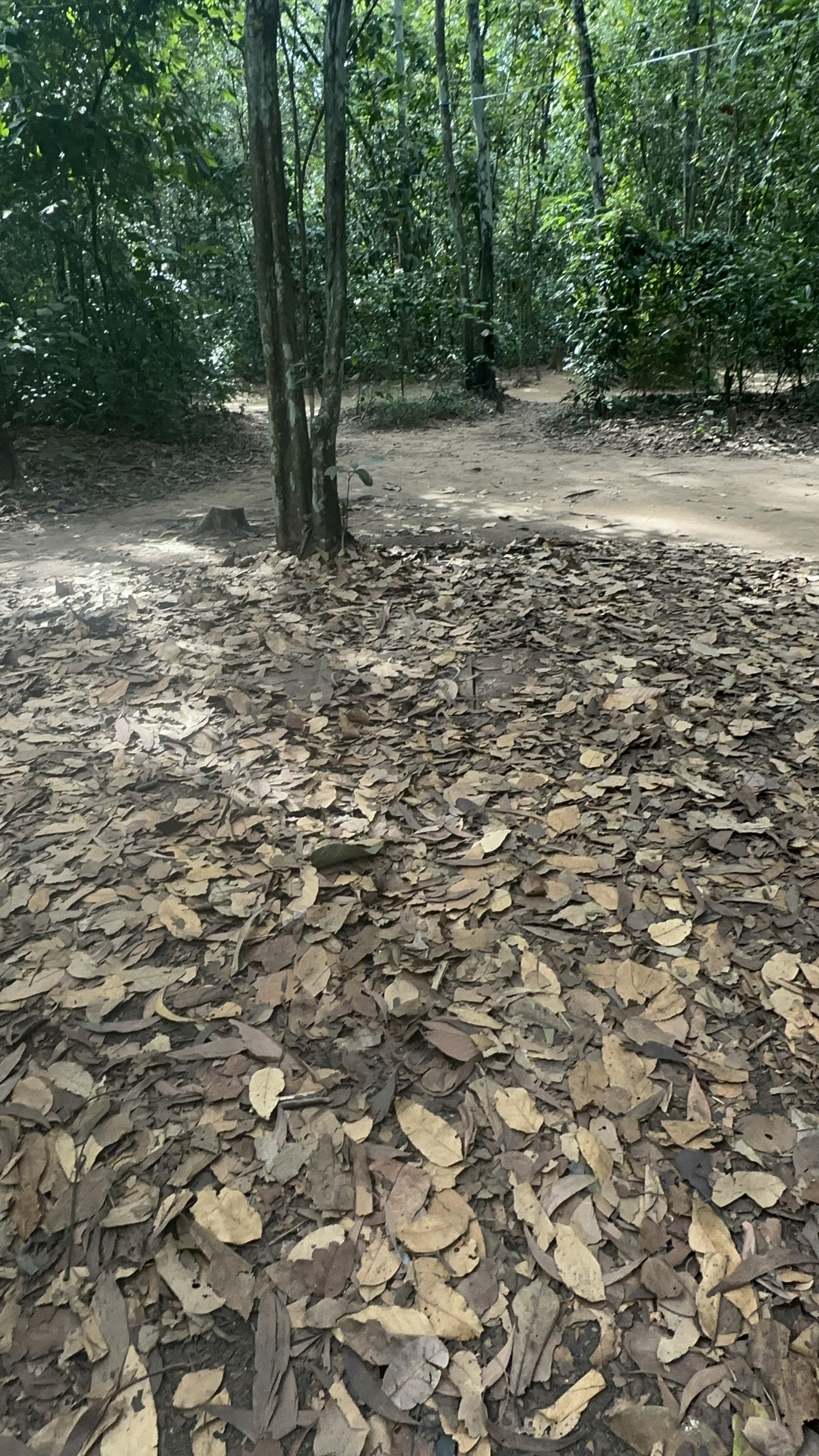
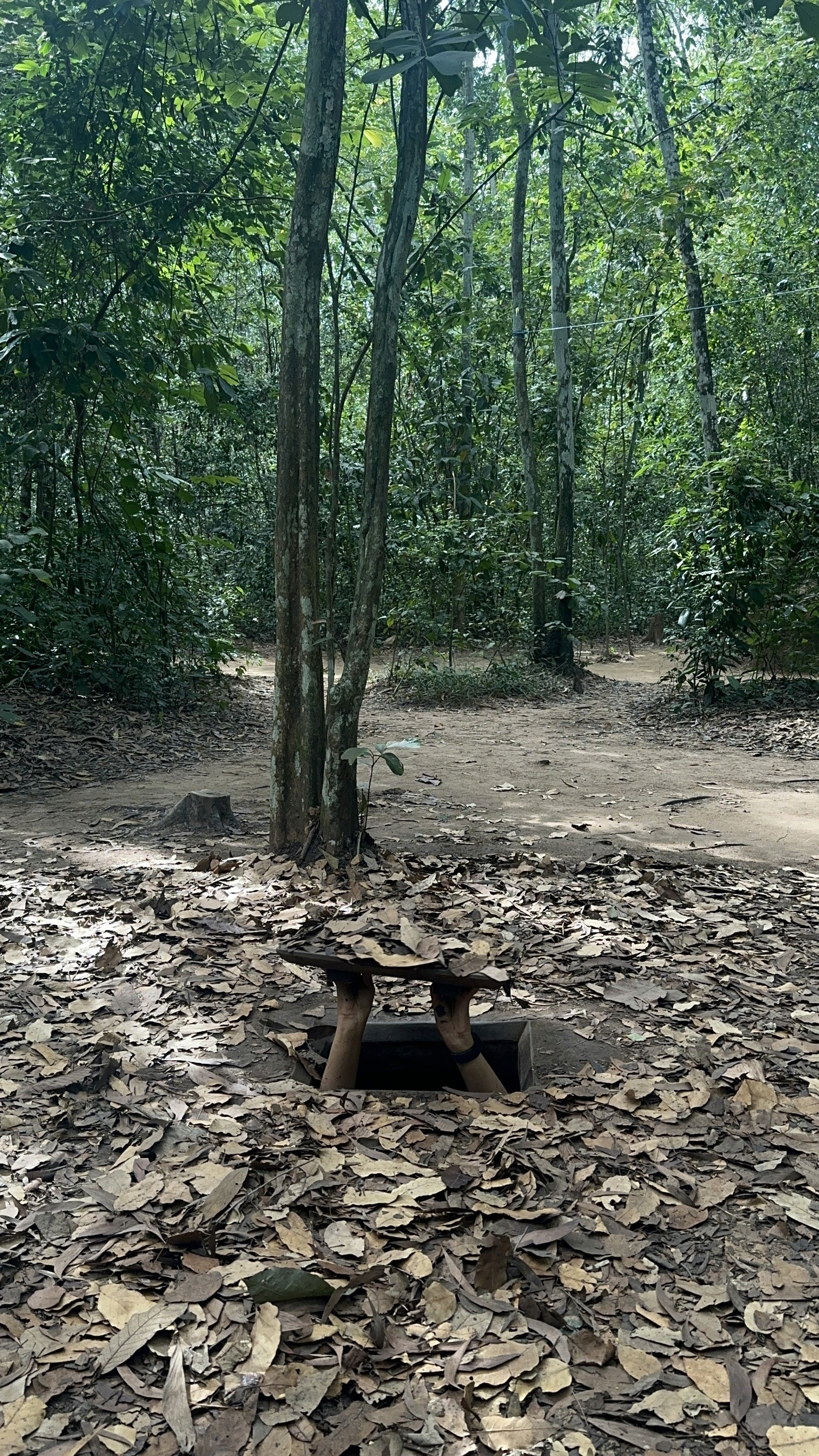
At the Cu Chi Tunnels north of Ho Chi Minh City, every detail answers to extreme constraint. But the part that stayed with me was the food. A meal had to do four things at once: provide enough calories to fight on, keep soldiers lean enough to move through the tunnels, cook without smoke giving away position, and carry without spoiling.
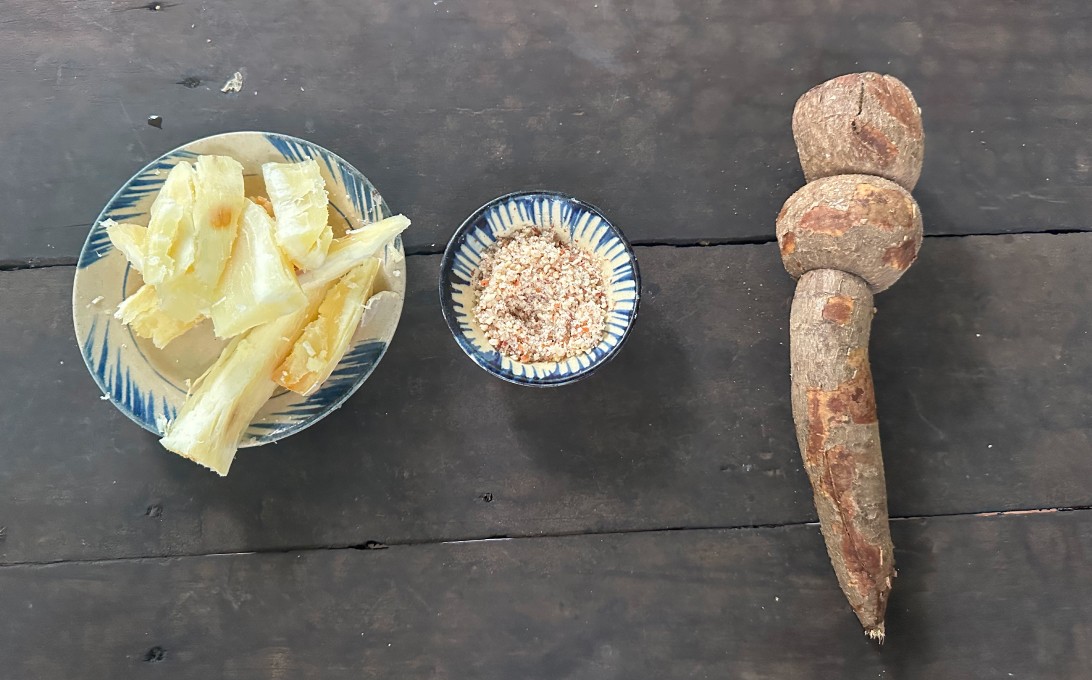
Boiled cassava handled the calories, dipped in ground peanuts and salt for fat and protein. Fermented fish sauce added umami, and protein, in tiny amounts. Kitchens sat deep underground, smoke vented through bamboo pipes that surfaced far away, barely visible. The pipe ends were rubbed with captured uniforms to throw off enemy dogs.
Every choice serves several goals because nothing else fits.